
7 Steps to a Mold-Free Property
AQHI Inc. can Help Remove Mold and Prevent it From Returning.
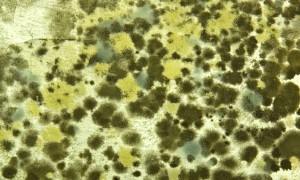 If you have discovered a serious mold infestation in your home or business, you need professional mold remediation. AQHI Inc. can help. We’ll walk you through the following 7 steps to a mold-free property.
- Removing porous material: Once mold has become established in porous building materials such as ceiling tiles, drywall, carpet, etc., they typically need to be discarded rather than cleaned. Other belongings such as clothing and upholstered furniture may also need to be thrown out. It all depends on the extent of the mold growth. Our experienced technicians can help you differentiate between salvageable and non-salvageable items and provide the necessary cleaning or disposal services.
- Removing surface mold growth from non-porous surfaces: Mold may also grow on the surface of non-porous materials including metal, glass, vinyl floor coverings, intact wood studs, etc. At AQHI Inc. our mold remediation crews understand how to effectively clean these materials without damaging them.
- Washing surfaces with a biocide solution: Just because a surface looks clean following a mold cleanup doesn’t mean all vestiges of the mold are gone. We clean all surfaces…
READ MORE →
Why We Use HEPA Filtration for Remediation Projects
HEPA Filtration is The Best Way to Clean Work Areas Following Remediation.
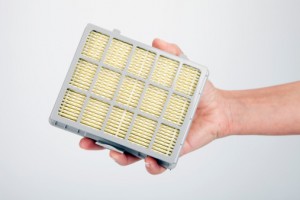 Whether your property contains asbestos, lead paint, mold, or PCB-containing caulk, you need to be concerned about dust and particles contaminating the air you breathe and presenting serious health hazards. At AQHI Inc., we can help eliminate contamination by removing the materials releasing the dangerous particles as well as by thoroughly cleaning these particles from all surfaces that have been exposed to contamination. HEPA filtration is an important tool for our cleaning efforts.
What is HEPA Filtration?
HEPA stands for High-Efficiency Particulate Air, meaning that HEPA filters do an extremely good job of trapping even very small particles and preventing them from continuing to circulate in the air. In order to qualify as a HEPA filter, products must meet guidelines established by the government including successfully capturing 99.97 percent of particles measuring at least 0.3 microns in diameter. HEPA filters can also capture much smaller particles including those less than 0.1 microns wide.
How Do HEPA Filters Work?
An ordinary filter is a mat of fibers that works like a sieve, so that any particles larger than the gaps between the fibers will…
READ MORE →PCBs Still Pose a Threat in Many Older Schools
Two Main Concerns are Old Fluorescent Lights and Caulk.
 Have you ever wondered why just about every American city seems to have at least one old, abandoned school building? It’s not just because of our nation’s obsession with building bigger and better. Many older buildings are unsafe because they contain hazardous materials such as asbestos, lead paint, and PCBs. Depending on the level of contamination that has already occurred, along with any other structural problems the building may have, it is often more cost-effective to build new than to clean up an old building. Of course, not all communities have the luxury of new school buildings. In many areas, students may still be exposed to the health hazards associated with PCBs. The EPA has identified fluorescent light ballasts and caulk as the two main sources of PCBs in schools today.
PCBs in Fluorescent Light Ballasts
PCBs were phased out of fluorescent light ballasts in 1979, so only schools whose lighting systems have not been updated since then are at risk. While the risk of exposure does increase if the lights break or catch fire, these types of lights can also release PCBs during normal…
READ MORE →